
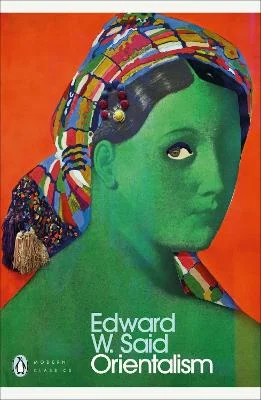
Description
By (author) Said Edward W.
Short /annotation:
Surveys the history and nature of Western attitudes towards the East, considering orientalism as a powerful European ideological creation – a way for writers, philosophers and colonial administrators to deal with the ”otherness” of eastern culture, customs and beliefs.
:
The seminal work that has redefined ourunderstanding of colonialism and empire, with a preface by the author
”Stimulating, elegant and pugnacious” Observer
”Magisterial” Terry Eagleton
In thishighly-acclaimed work, Edward Said surveys the history and nature ofWestern attitudes towards the East, considering orientalism as apowerful European ideological creation – a way for writers, philosophersand colonial administrators to deal with the ”otherness” of easternculture, customs and beliefs. He traces this view through the writingsof Homer, Nerval and Flaubert, Disraeli and Kipling, whose imaginativedepictions have greatly contributed to the West”s romantic and exoticpicture of the Orient. Drawing on his own experiences as an ArabPalestinian living in the West, Said examines how these ideas can be areflection of European imperialism and racism.
”Beautifully patterned and passionately argued”
New Statesman
”Very exciting … his case is not merely persuasive, but conclusive”
John Leonard, New York Times
Biographical note:
Edward W. Said was a university professor at Columbia University. He was born in Jerusalem in 1935 and educated in Egypt and the United States. His other books include The Question of Palestine, Culture and Imperialism and Out of Place: A Memoir.



Reviews
There are no reviews yet.